Interprofessional Collaboration
The Canadian Interprofessional Health Collaborative (CIHC) framework (2010) educates teams across healthcare settings on the importance of collaborative teamwork. Canada is a global leader in interprofessional education and accreditation (Grymonpre et al, 2021).
Examine the framework pictured here to understand how the variable’s interface creates focused, collaborative, patient-centric teams.
The goal of Interprofessional Framework: A Partnership between a team of health providers and a client in a participatory, collaborative, and coordinated approach to share decisions around health and social issues.
Interprofessional Conflict: Learners/Practitioners actively engage themselves and others, including the patient/client/family, in dealing effectively with interprofessional conflict.
Interprofessional Communication: Learners/Practitioners from varying professions communicate with each other in a collaborative, responsive and responsible manner.
Patient/Client/Family/Community-Centered Care: Learners/Practitioners seek out, integrate and value, as a partner, the input, and the engagement of patient/client/family/community in designing and implementing care/service.
Role Classification: Learners/Practitioners understand their own role and the roles of those in other professions and use this knowledge appropriately to establish and meet patient/client/family and community goals.
Team Functioning: Learners/Practitioners understand the principles of team dynamics and group processes to enable effective interprofessional team collaboration.
Reflection
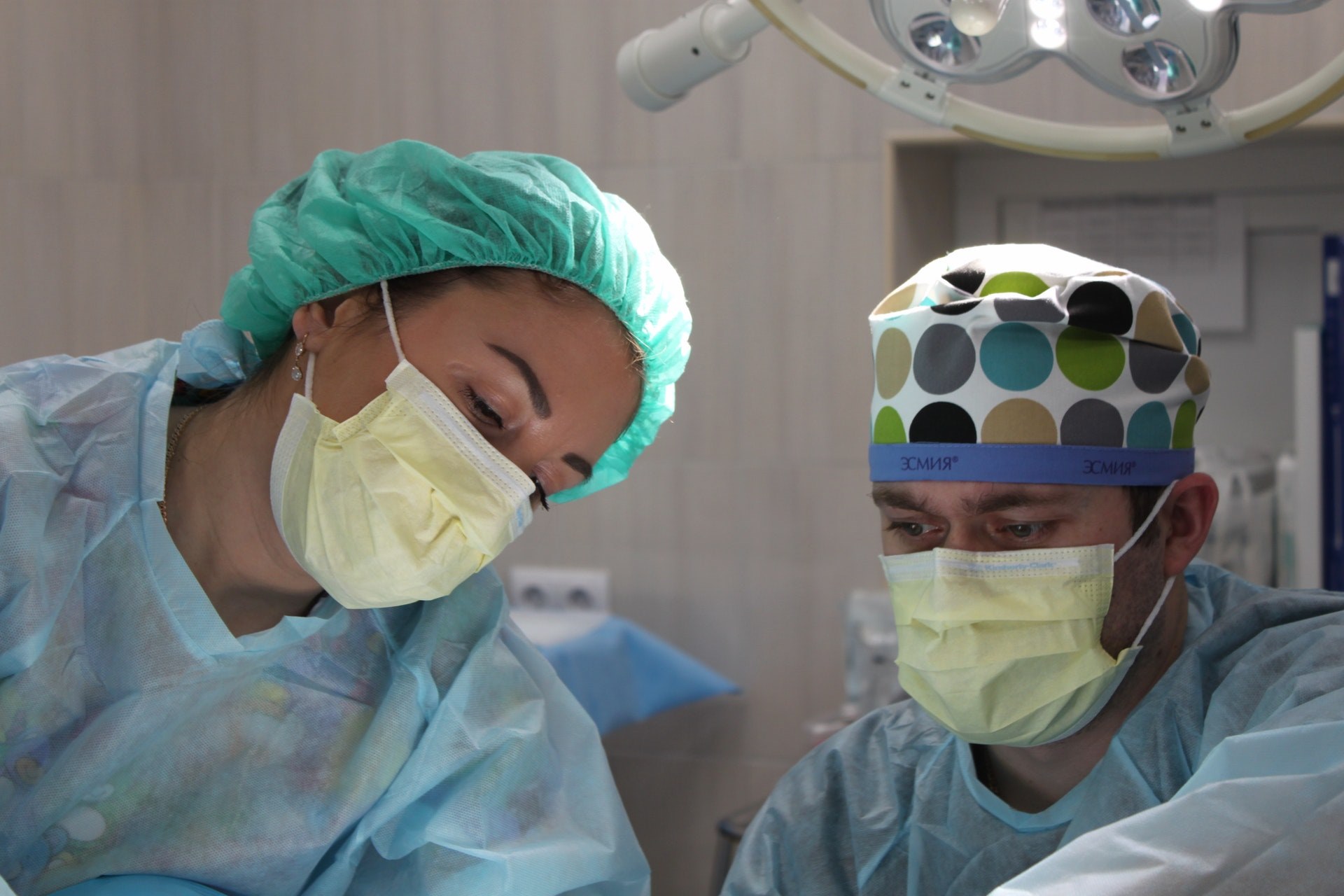
What everyday things can you do when working in the OR to create a good team environment?
- Be respectful – be on time.
- Introduce yourself and your role.
- Participate in the Surgical Safety Checklist (speak and listen).
- Ask questions and listen to the answers.
- Acknowledge people’s concerns and ideas.
- Explain your decisions and rationale.
- Disagree respectfully.
- Say thank you.
(Snow, 2020)
📽️ AORN CINE-MED VIDEO
Navigate to the AORN Cine-Med website and make sure that you are logged in before clicking on the link below.
- Watch the video: Perioperative Team Dynamics and Communication (2017). Cine-Med Video #1985: (31:10).
- Download the Study Guide included to follow along.
- To recap, effective team communication allows members to:
- be cognitively present during the surgery
- be attentive during the briefing/debriefing and hand-over activities
- transmit messages in a non-hierarchical manner
- coordinate activities and cooperate with each other
- assume leadership roles depending on the patient context
- resolve conflict
These communication strategies ensure everyone is aware of the plan for patient care and is ready for potential changes, such as converting laparoscopic surgery into an open incision surgery. Each member feels free to discuss safety issues and knows they are acknowledged.
🧠 Graded Activity
In Blackboard, complete the Graded Activity: Essential Communication.
💬 Communication Highlight
Something to consider…
In a recent Australian exploratory, a qualitative study titled: ‘Can you hear me?’ Barriers to and facilitators of communication in the presence of noise in the operating room, Grant et al. (2021) explored interprofessional team members’ perceptions of communication and the impact of noise in the OR. One finding focused on how being able to filter out sounds in the OR such as conversations, suction, or electrosurgical unit noise, can facilitate effective communication. Filtering out such sounds allowed personnel to focus on their essential tasks and conversations. For example, a new surgical trainee disregarded the alert tone of the oxygen saturation monitor. Not listening to this unrelated sound, he could concentrate on the procedure and communicate effectively with the surgeon and scrub nurse.