Robotic Surgery
The use of basic robotic surgery began in the 1990s with simple devices used to hold laparoscopes and help free up a team member. Today, robotic surgery involves high-tech systems such as a surgeon console. This is a cart with robotic arms that can move around pivot points with instrumentation, and high-definition visual monitors.
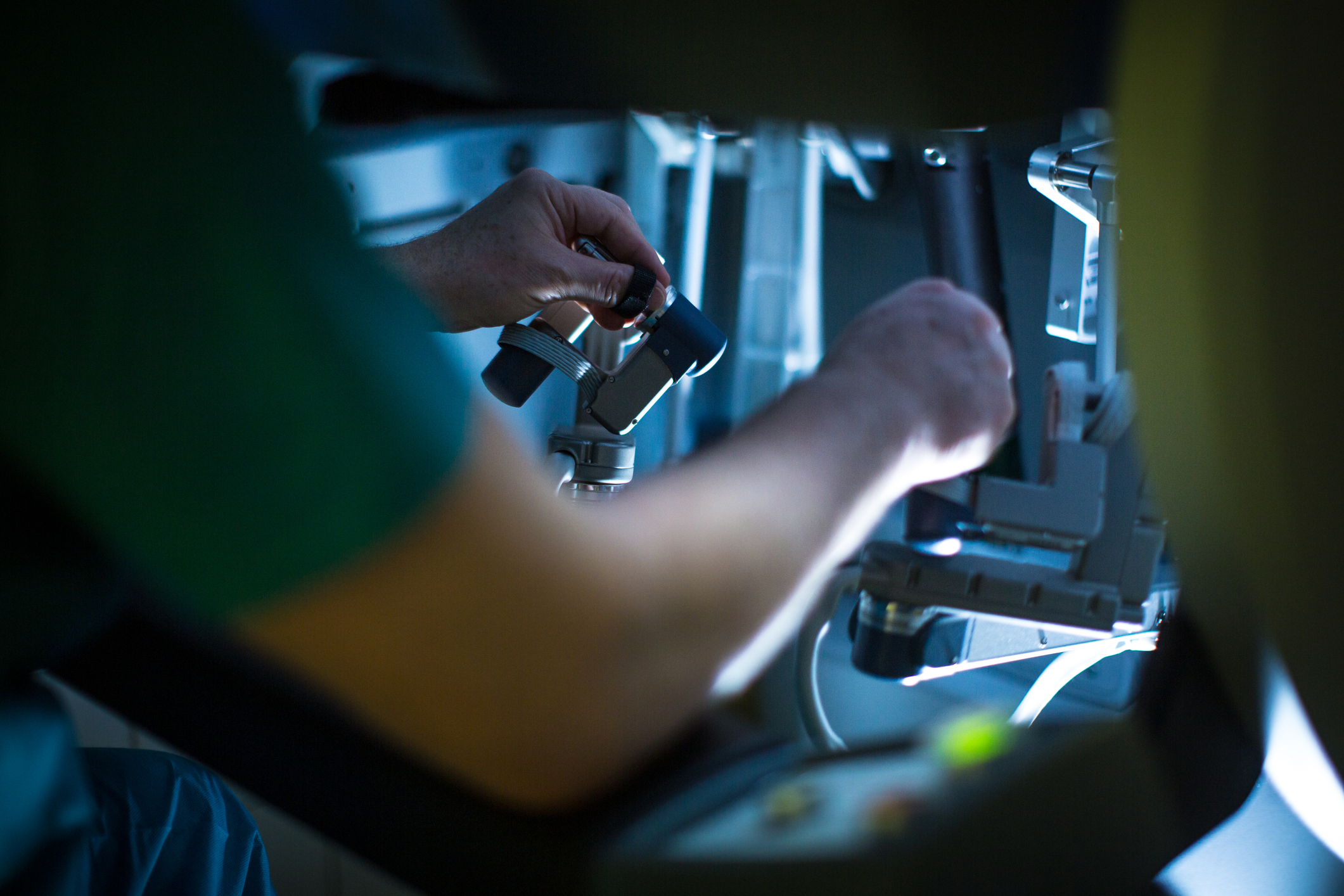
Robotic instruments have more flexibility and range of motion than a surgeon’s hands and often use quick-release connections so that the scrubbed personnel can quickly change instruments.
Patient positioning for robotic cases depends on the procedure, but the interactive image here can give you a general idea (select the + hotspots in the image to reveal information):
📽️AORN CINE-MED VIDEO
Navigate to the AORN Cine-Med website and make sure that you are logged in before clicking on the link below.
- Watch the AORN Cine-Med Video on Minimally Invasive Surgery: Creating a safe Patient Care Environment
- Download the Study Guide included to follow along.
- (Thread to follow in Cine-Med – Specialty Perioperative Education Minimally Invasive Surgery: Creating a safe Patient Care Environment)
- Runtime – 24 minutes
Hybrid Operating Rooms
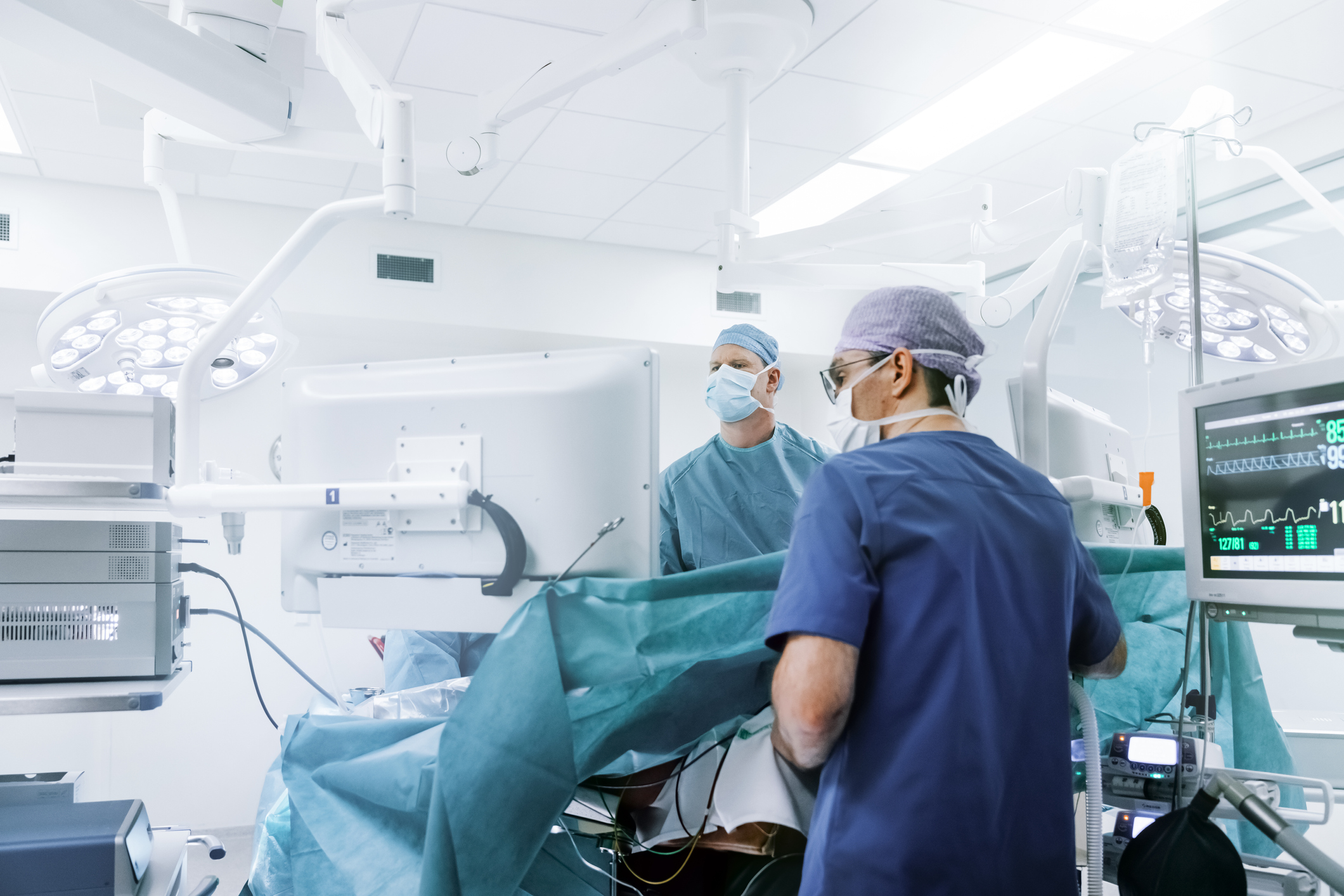
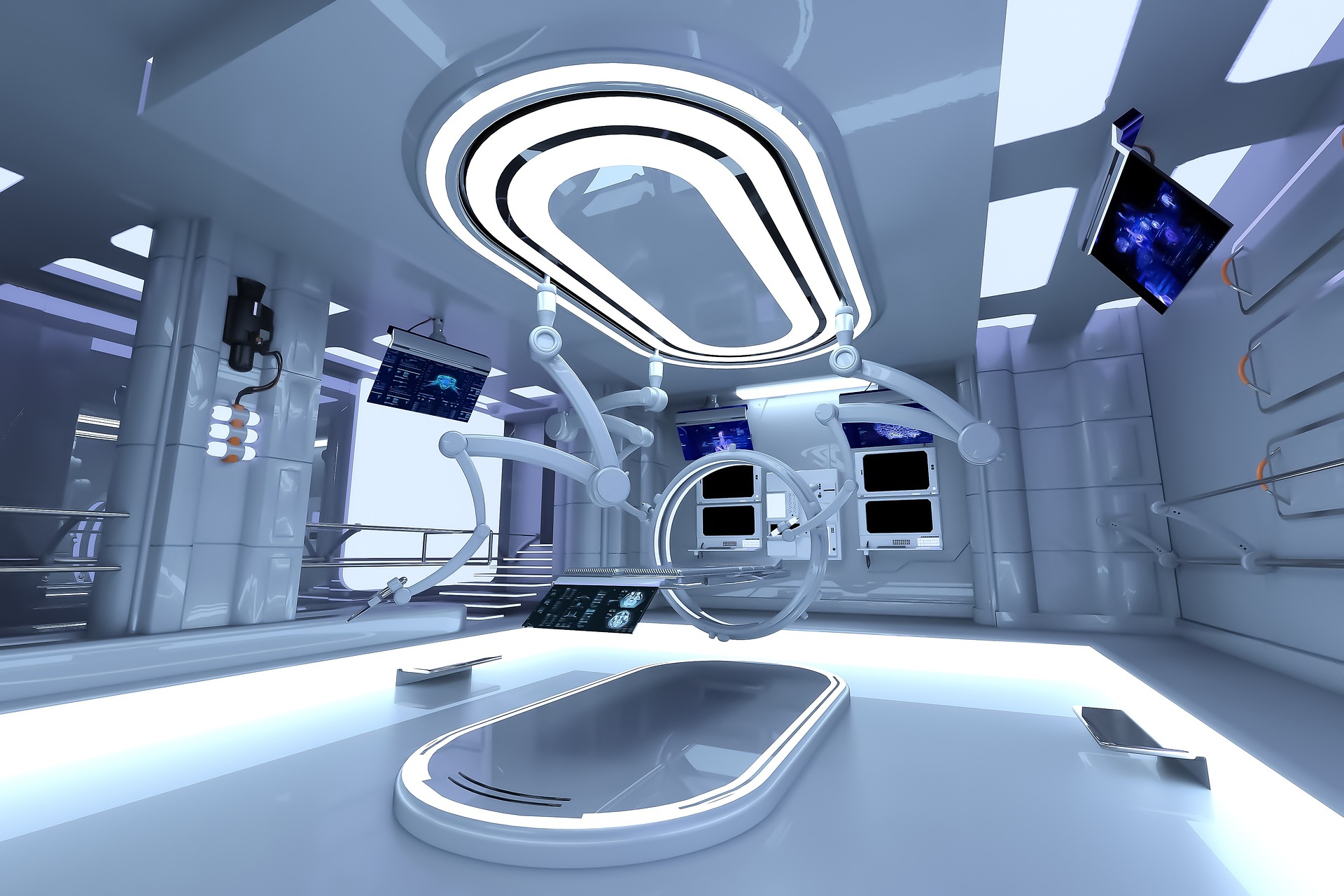
Hybrid ORs help to combine imaging capabilities such as rotational angiography (to allow for open imaging or catheter-based interventions), CT (Computerized Tomography), combined with a fully functional OR allowing surgeons to perform diagnostic imaging intraoperatively without having to close the surgical site and transfer the patient to another area of the hospital.
Intraoperative MRI suites
Intraoperative MRI (iMRI) suites are important, especially in neurosurgical cases where surgeons need an MRI intraoperatively to ensure all aspects of a tumor have been resected. In the past, the surgeon would have to close the surgical site and the patient would be transferred to MRI to have the scan done. This could be incredibly challenging if the patient were in any way unstable. It also required the OR team to maintain the sterile field and wait until the MRI was completed to ensure that the patient did not need to come back to the OR for further resection. The OR and the MRI machine are still contained in separate adjoining rooms so that the patient can be easily transferred into the iMRI room while sterility can be maintained.
Special MRI safety training is required for all staff working in MRI suites, and care must be taken to ensure that no metal items in use in the OR enter the iMRI space. Special beds, positioning devices, sterile equipment, and retractors are used in these cases.
📽️ AORN CINE-MED VIDEO
Navigate to the AORN Cine-Med website and make sure that you are logged in before clicking on the link below.
- Watch the AORN Cine-Med Video on Hybrid OR Suites
- Download the Study Guide included to follow along.
- (Thread to follow in Cine-Med – Management Concepts Hybrid OR Suites)
- Runtime – 24 minutes