Universal Precautions
The term universal precautions emerged during the late 1980s as part of published recommendations from the Centre for Disease Control’s (CDC) response to the occupational risk of HIV and other bloodborne pathogens.
Universal precautions focus on the fact that there may be an occupational risk when exposed to blood and bodily fluids as many patients who have bloodborne infections may be undiagnosed.
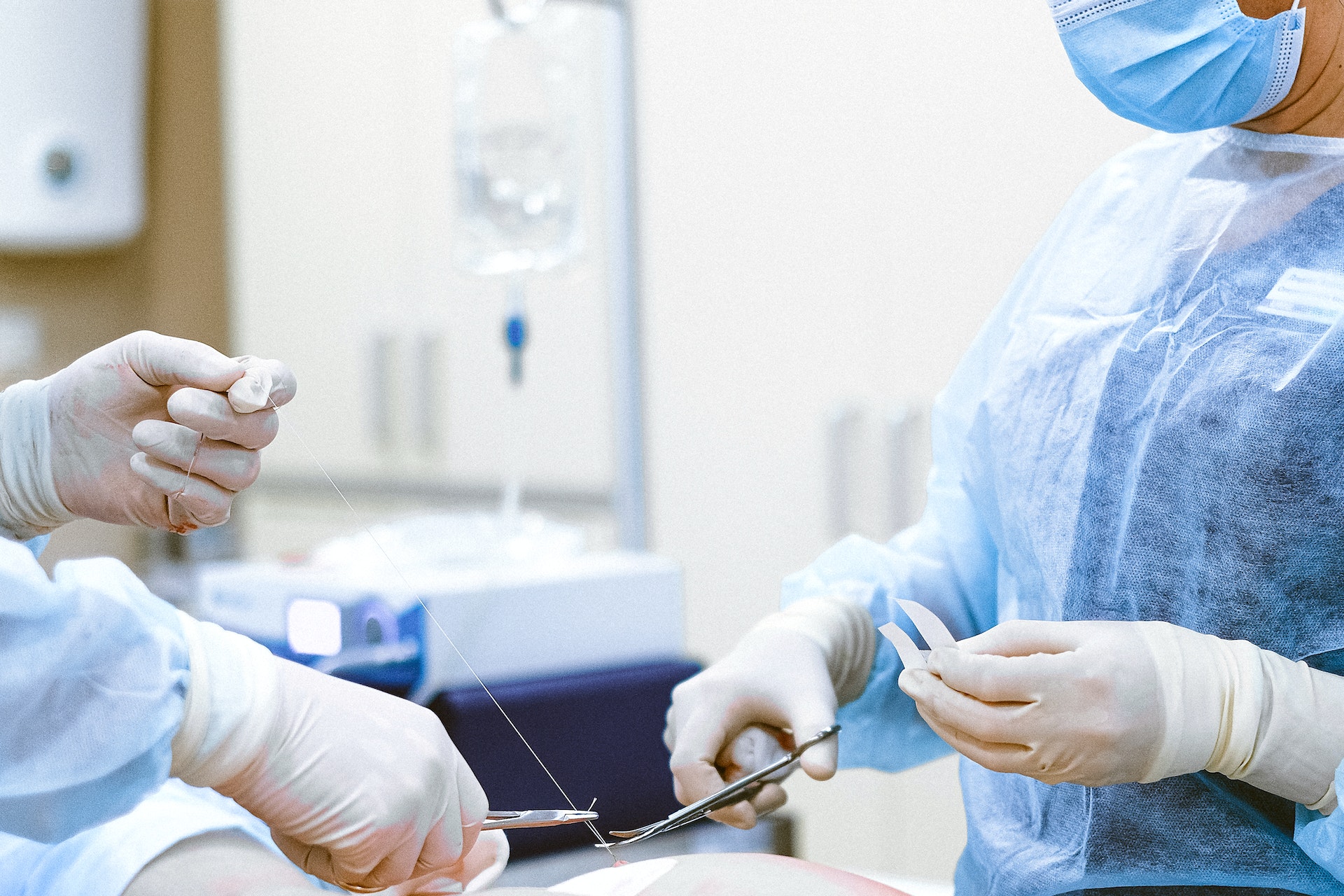
The operating room environment is a high-exposure area for health care personnel and institutions have a responsibility to provide and train workers in engineering and work practice controls, as well as proper Personal Protective Equipment (PPE) to prevent exposure.
Specific engineering and work practice controls in the OR to eliminate or reduce employee exposure include easy access to necessary supplies and equipment, such as:
- Soap and sanitizer.
- Puncture-proof and leak-proof sharps containers.
- Personal Protective Equipment (PPE) including adequate sizing of Gloves, Gowns, Face shields/eye protection, and masks.
- Tools such as clamps to remove surgical blades. Do not use your fingers. Leak-proof containers and bags with biohazard labels for placing specimens.
In addition:
- No food and drink in the OR where blood and bodily fluids are present.
- Ensure signs are placed in areas with potential hazards.
- Ensure regular housekeeping with posted schedules and methods of decontamination.
- Annual training for all employees about safe handling of hazardous substances and materials.
- Protocols for reporting all exposures to blood and bodily fluids including a post-exposure evaluation and plan for follow-up.
- Report all occupational injuries.
(King & Spry, 2019, ORNAC, 2021)
Risk Algorithm
Following the risk algorithm from Public Health Ontario, determine which PPE you may need to use to place an indwelling urinary catheter when preparing the patient for surgery. The patient has no known infections or symptoms. Assess the anticipated interaction with the patient and their environment.
Visit Site
Additional Precautions
If your patient does have a known infection or symptoms of an infection, all healthcare personnel will need to follow specific additional precautions related to the infection or symptoms.
Each hospital site will have its own policies and procedures that have been developed by the institution’s Infection Prevention and Control (IPAC) team.
(ORNAC, 2021)
Donning and Doffing PPE
📽️ AORN CINE-MED VIDEO
Navigate to the AORN Cine-Med website and make sure that you are logged in before clicking on the link below.
- OPTIONAL – Watch the AORN Cine-Med Video on Transmission-Based Precautions
- Download the included Study Guide to follow along.
- (Thread to follow in Cine-Med – Patient and worker safety transmission-based precautions)
- Runtime – 40 minutes
🧠 Graded Activity
In Blackboard, complete the Graded Activity: ORNAC Case Study.