Historical Modalities of Surgery
As noted in the video, surgery today looks quite different from what was performed in the past. Key surgical advances include:
Today, the operating room is filled with technology that is constantly evolving. Perioperative team members must be continuously learning new procedures, protocols, and equipment. Technology such as robotics, 3D printing, and stem cells are quickly changing the perioperative environment.
Robotics
While this is not modern technology, it is changing our ability to perform precise surgical procedures with good outcomes.
Watch this video to learn about a local hospital’s use of technology:
Kingston Health Sciences Centre’s surgical robot cuts down on recovery time for cancer patients
Robotic surgery is fast becoming the norm in hospitals. Surgeons can use these high-tech devices to perform a variety of procedures that mean shorter hospital stays and faster recovery times for patients.
Watch Video
3D Printing
Using 3D printing can help with planning for surgery, especially complex surgical procedures. Watch these quick videos to see how Ontario hospitals are using 3D printing to help with surgery.
Advancements in Technology
Surgical procedures continue to develop and advance. Modern technology allows for more precise, effective, and less invasive procedures with even better outcomes than could be imagined.
Minimally Invasive Surgery (MIS)
Although the first MIS surgery occurred in 1975, it was not until the late 1980s that laparoscopic procedures really began to increase in North America. Our understanding of MIS procedures has grown rapidly, and it is now considered the preferred method for many surgeries. The following table demonstrates some of the advantages of MIS compared to open (traditional) surgery.
Minimally Invasive surgery
- Decreased hospital stays; sometimes even reduced to day surgery.
- Short postoperative recovery times.
- Decreased requirement for pain medication due to smaller incisions and decreased postoperative pain.
- Faster return to normal activities.
- Requires specialized tools and equipment.
Open Surgery
- Usually, a hospital stay is required.
- Often a 4–6-week recovery period.
- More analgesia is often required due to incisional pain.
- Return to normal activities varies depending on the recovery period.
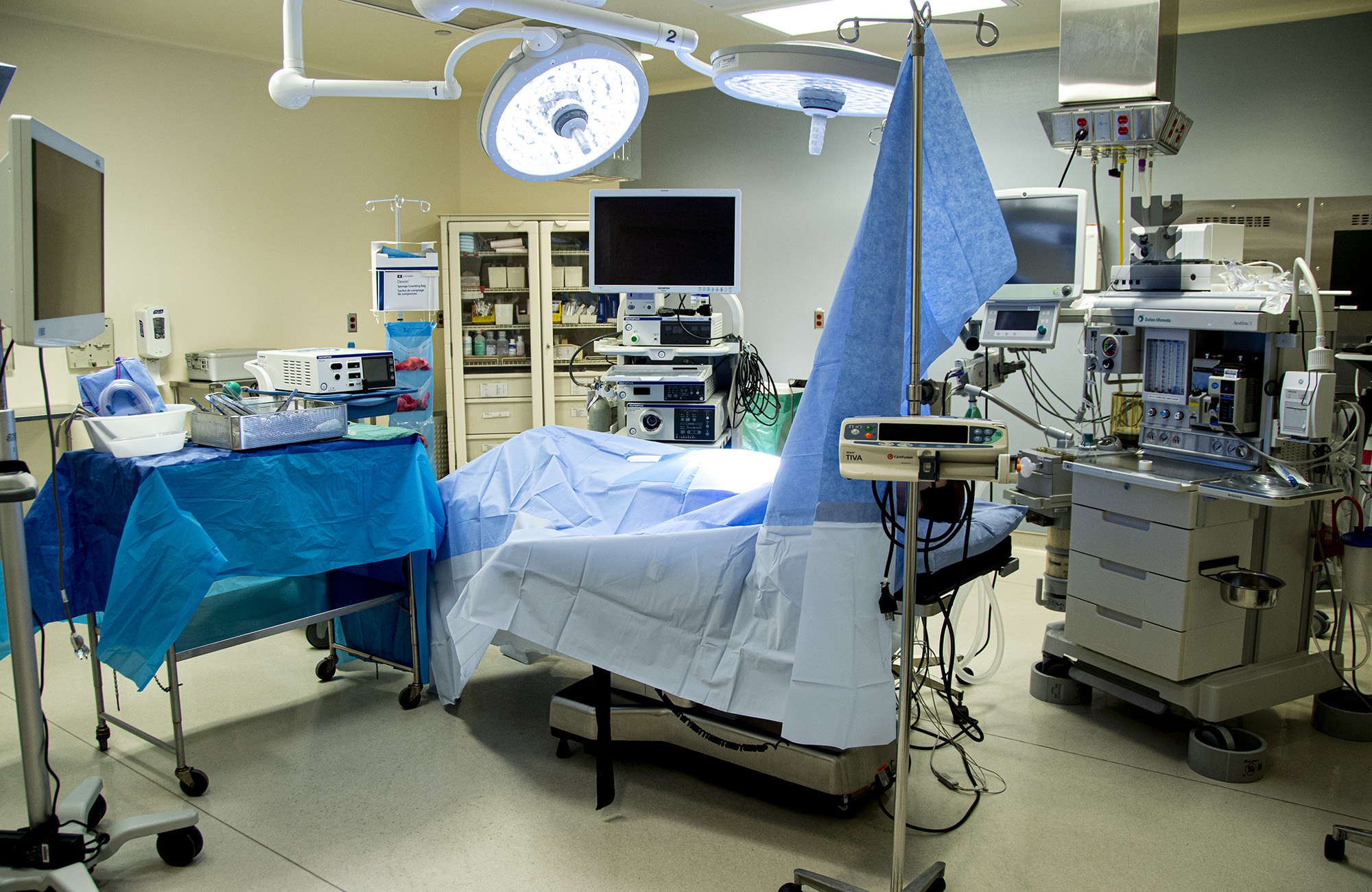
The following pages review the key components essential for MIS procedures including:
- Endoscopes
- Light source and fiber optic cables
- Endoscopic Instrumentation
- Video technology