Ethics
Ethics is the study of social morality and society’s norms and practices. Nursing ethics, developed by the Canadian Nurses Association and provincial regulatory organizations, outline common principles, and expected professional practice. These codes are foundational in developing a therapeutic relationship and meeting clients’ care expectations. Nurses must understand their personal and professional values and ethical principles so they can advocate and participate in difficult healthcare decisions.
Nursing Ethics
The Canadian Nurses Code of Ethics covers values to ethics in the perioperative setting:
Guiding Principles in Ethics
4 Principles of Healthcare Ethics
(Keatings & Adams, 2020).
🧩 Practice Activity: Steps in Processing an Ethical Dilemma
Complete the activity by dragging each step into the correct order. Or, selecting one and using your arrow keys. Select “Check” when you feel confident in your answer(s).
(Island Health, 2018)
Ethical decision-making and transparent communication among stakeholders allow patients to assume autonomy and make informed consent to their ongoing treatment plan.
🧩 Practice Activity: Reflection Case Study
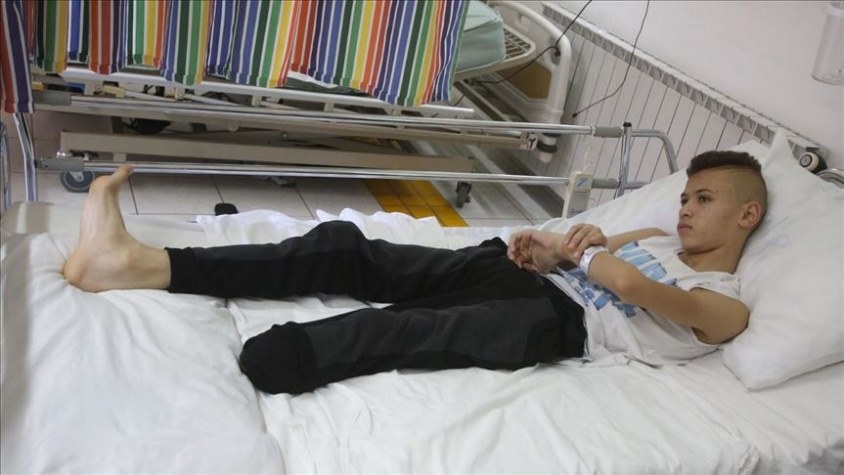
Ahmed is 16 years old. Two years ago, he was diagnosed with sarcoma of his left foot. At the time, he received aggressive chemotherapy and had a high foot amputation. He has done well since but is not able to participate in soccer which he loves. Cancer has recurred in his left tibia.
The planned treatment involves an above-knee amputation and more chemotherapy. Treatment approaches and outcomes have improved dramatically since Ahmed’s first round of chemotherapy; however, he refuses the treatment. He does not believe the oncologist’s optimistic prognosis and says he cannot go through chemotherapy again, nor does he want to lose his leg. He is still adamant about his refusal, even when informed of the consequences and the pain he will experience without treatment. Ahmed’s parents are very distressed. They ask if their son can be forced to accept the treatment. The case is brought forward to an interprofessional team that includes Ahmed and his family to discuss the ethical implications of the patient’s request.
Case adapted from Keatings & Smith. Ethical and Legal Issues, 2nd Ed, p.35
Moral Distress
Patients’ decisions may not always coincide with the nurses, which can lead to distress. Moral distress may occur when nurses know the ethically correct action to take but are constrained from taking the appropriate action, thus going against their core values. Moral distress is different from burnout and compassion fatigue and may be exacerbated during crises and when caring for the critically ill.
Moral Distress in Nursing: What You Need to Know
Moral distress is a complex and challenging problem that can have a significant negative impact on the healthcare team…
Read Article
Bioethical Reflection
Bioethics requires that healthcare personnel question and discuss the morality of emerging ethical issues related to biology, medicine, and technology. It also requires personnel to consider larger issues such as environmental concerns and human well-being.
As a nurse, reflect on your stance on the following bioethical situations which are specific to the perioperative environment:
- Abortion is Medical assistance for dying
- Surrogacy
- Allocation of scarce health care resources (e.g., organ donation and health care rationing)
- Right to refuse medical care for religious or cultural reasons
Do you have any personal or professional reservations about these issues? If so, consider how you will resolve personal ethical dilemmas and stay true to yourself, without infringing on clients’ rights to make informed decisions.