Culture of Safety
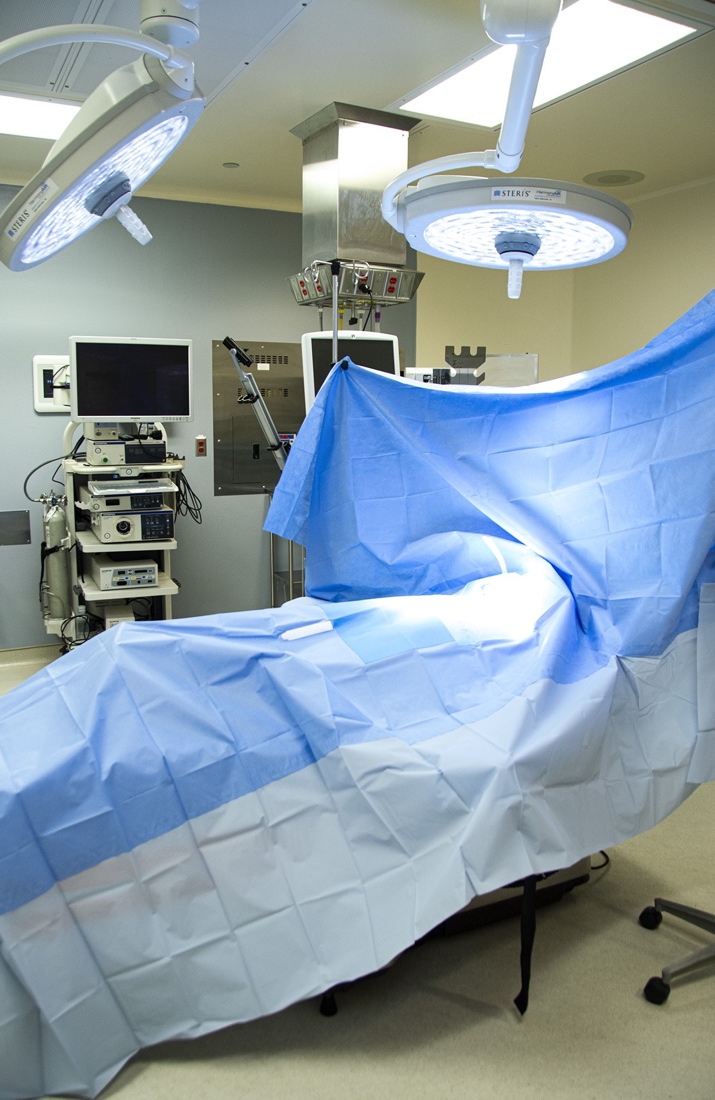
Perioperative environments can encompass many hazards for both patients and personnel. While ORs have been designed to save lives, manage pain, and provide cures, the advances in technology constraints to save time and money can increase the risk of adverse events.
Whether the risk is related to patients or perioperative personnel, a culture of safety and speaking up about unsafe conditions needs to be present in all institutions. Many hospital institutions have adopted a ‘Just Culture.’ This is a concept that relates to a system thinking model. It emphasizes that mistakes are often a product of faulty organizational cultures rather than the fault of one individual. A just culture model empowers staff to share concerns, near misses, or errors freely without being afraid of punishment.
Patient Safety Considerations
In research performed by The Canadian Adverse Events Study, it was found that acute care hospitals have a 7.5% adverse event incident rate. Of those events, surgery was identified as the service most responsible for care at the time of the event in 51.4% of those cases.
It is important to remember that as healthcare personnel our first obligation is to: “First, do no harm.”
Imagine that you are going in for a surgical procedure where you are being positioned on a firm, flat surface in an unnatural position for many hours without being able to move. On top of that, you have a surgical incision that is being stretched and manipulated, cut, and sutured by multiple scrubbed hands and surgical instruments. It is not a surprise that injury or sentinel events can occur in the perioperative setting.
The Canadian Patient Safety Institute made a commitment to improve patient safety by 2018 in four priority areas, one of which was surgical care.
(Baker et al., 2004; Murphy, 2019)
A Core Responsibility for all Perioperative Personnel
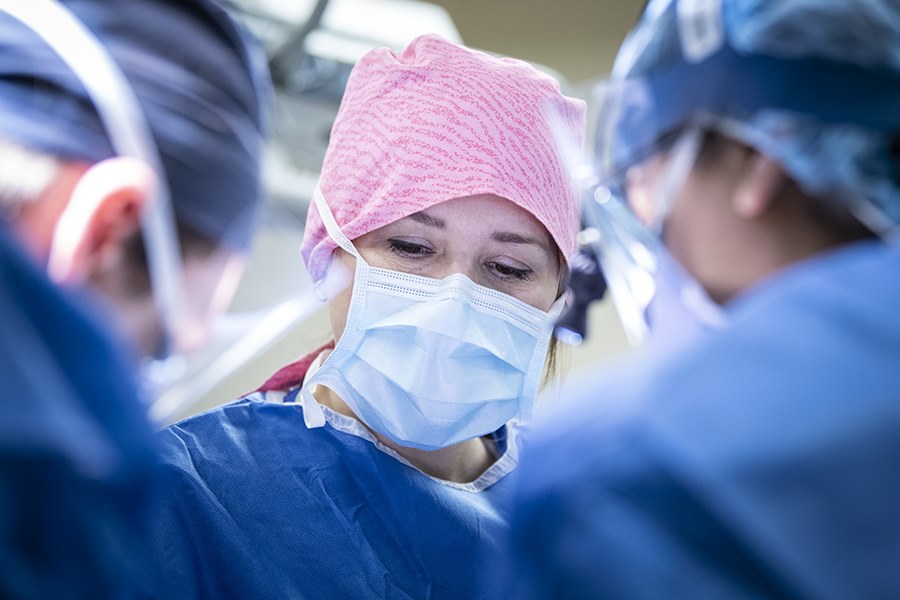
Patient safety is a key concern and priority for all perioperative personnel. The perioperative nurse is an advocate for patients when they are not able to do that for themselves, such as when they are under general anesthesia or sedation. The ORNAC standards have been developed to help guide and support nurses in ensuring that the best evidence-informed practices are implemented into care. Because over 50% of adverse acute care events occur in the perioperative environment, all personnel must be alert and engaged in preventing, identifying, and correcting unsafe situations every day.
(Murphy, 2019)
Key Patient Safety Protocols in the Perioperative Environment
Key protocols implemented to improve patient safety and reduce errors include preoperative verification processes. Examples are marking all operative sites and performing the surgical safety checklist such as a time-out to confirm information about the patient and the procedure being performed.
(Murphy, 2019)