Exposure to Bloodborne Pathogens
Needle and Sharp injury
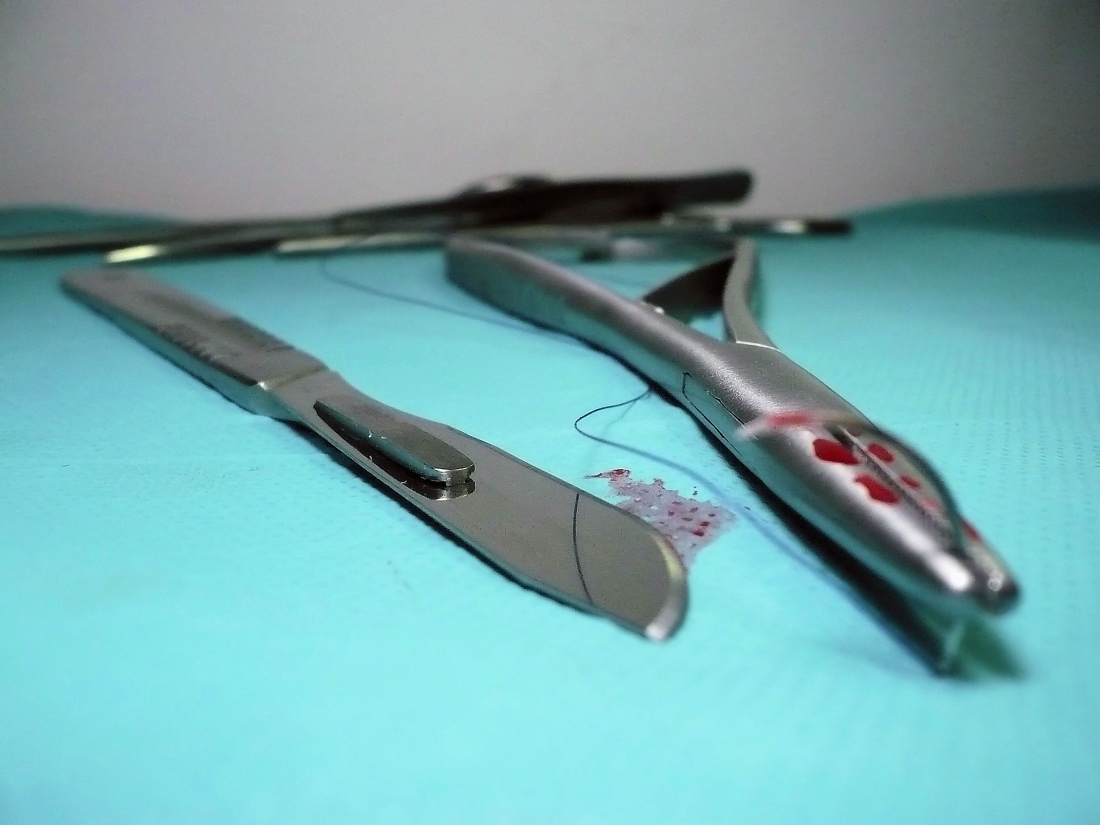
Perioperative personnel are at elevated risk for exposure to bloodborne pathogens and percutaneous injuries due to the high number of sharp instruments and needles that are handled.
A needle or sharp injury can occur at any time during the perioperative period; however, the risk is the greatest during the intraoperative phase just because of the number of sharps personnel are exposed to.
🧩 Practice Activity: Bloodborne Pathogens
Choose one or multiple responses to answer the question. Select “Check” when you feel confident in your answer.
Risks to Healthcare Workers
Because healthcare personnel are required to have routine hepatitis B vaccinations, most are protected from transmission if a needle stick or sharp injury occurs. However, personnel are still at risk for HIV or hepatitis C transmission. Healthcare personnel who are involved in surgical procedures report sharp or needlestick injuries six times more often than non-surgical personnel. It has also been reported that different surgical specialties tend to be more ‘at-risk’ and include major vascular, intra-abdominal, gynecologic, and orthopedic procedures. The duration of the surgery also impacted the incidence.
Review the dropdowns below to learn more about the risks of HIV, Hepatitis C, and Hepatitis B
(Public Health Agency of Canada, 2019)
Prevention of Transmission of Blood Borne Pathogens
What are ways that sharps and needlestick injuries can be prevented?
- Care in handling sharps – always maintain eye contact when handling sharps.
- Use of a neutral zone rather than passing sharp instruments directly hand to hand.
- Use of a safe sharp zone on back table.
- Use of available blunt suture needles or other safety-engineered devices.
- Use of personal protective equipment (PPE).
- Wearing two pairs of gloves to minimize the risk of exposure to bloodborne pathogens. Using two different coloured gloves is a wonderful way to visualize defects or compromises to glove integrity.
- Use of eye protection since blood-borne pathogens could enter the body through mucous membranes such as the eyes.
- Ongoing education regarding safe sharp handling.
- Tracking of exposures to identify elevated risk situations and determine additional precautions that can be put in place.
- Ensuring that all staff are up to date on immunizations to prevent infection if exposure occurs.
(ORNAC, 2021 -2.15; Public Health Agency of Canada, 2019)
Please check out this link with the Centre for Disease Control (CDC) to learn more
Read Article
Responding When a Sharps Exposure Occurs
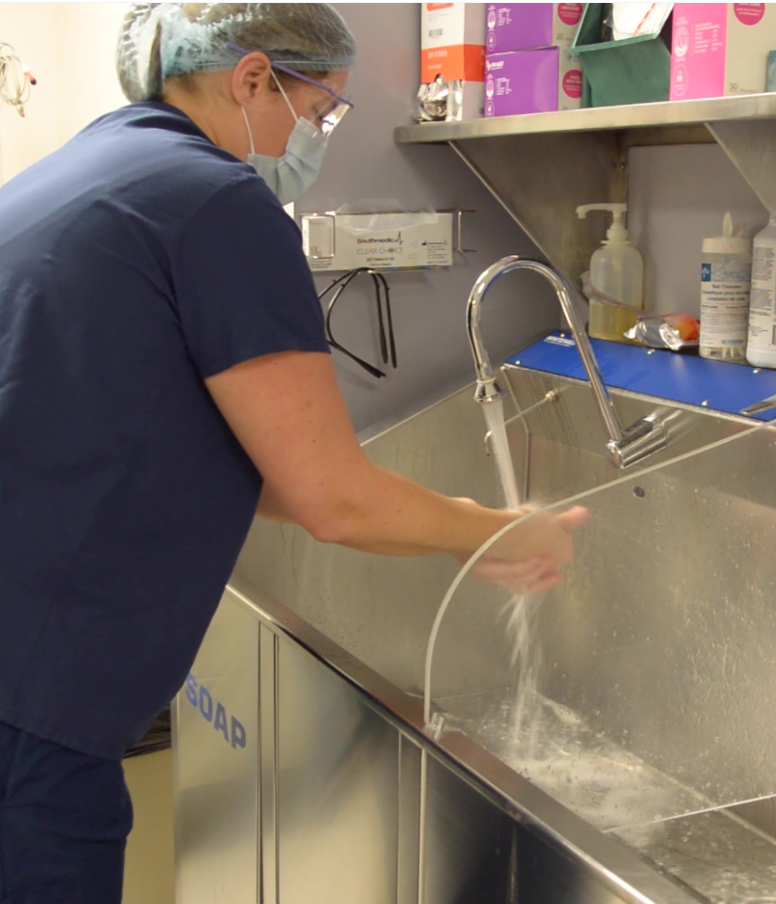
Despite best efforts, there may be incidences when a sharp or needlestick injury occurs. If this does happen, it is important to follow the organization’s protocols immediately.
Common steps to take include:
- Inform the surgical team and unscrub (if scrubbed in)
- Wash the puncture site/wound. If it is a mucous membrane (such as the eye or mouth) flush with water
- Report the injury to the person in charge
- Obtain any necessary medical care
- Begin risk evaluation with occupational health staff or emergency care personnel (as per hospital protocol)
- Ensure that surgeon is aware of the injury and knows that consent will be required to obtain patient bloodwork for testing
- Obtain bloodwork (self) and if necessary, begin treatment (postexposure prophylaxis)
- Complete any required follow-up