Exposure to Gases
Exposure to Waste Anesthetic Gasses
Waste anesthetic gases (WAGs) occur when insignificant amounts of anesthetic gases come either from a leak in a patient’s anesthetic breathing circuit into the OR room or are exhaled from a patient during the emergence or recovery phases. These gases can provide an occupational health risk to perioperative staff.
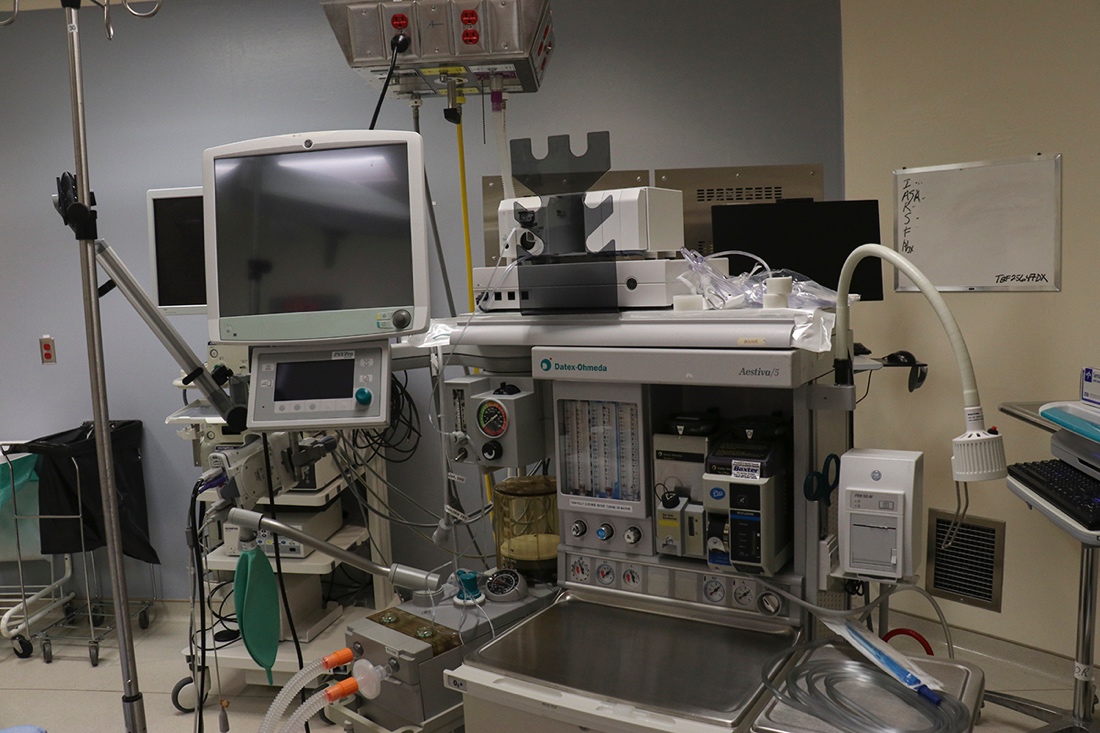
Long-term exposure to WAGs is linked to:
- Miscarriages
- Genetic damage
- Cancer
- Other diseases (renal and hepatic)
Short-term exposure to high concentrations of WAGs can result in:
- Headaches
- Irritability
- Fatigue
- Nausea
- Difficulties in judgment
- Difficulties in coordination
WAGs may include:
- Nitrous oxide
- Halothane
- Enflurane
- Isoflurane
- Others
Decreasing Exposure to Waste Anesthetic Gases
How can perioperative personnel decrease the risk of exposure to waste anesthetic gases?
- Use of scavenger systems to remove any WAGs
- Routinely checking anesthesia equipment for gas leaks
- Not starting gas flows until mask is securely on a patient
- Ensuring gases are turned off when intubating a patient
- When filling anesthetic gases, use a closed system
- Use of IV anesthesia (when appropriate)
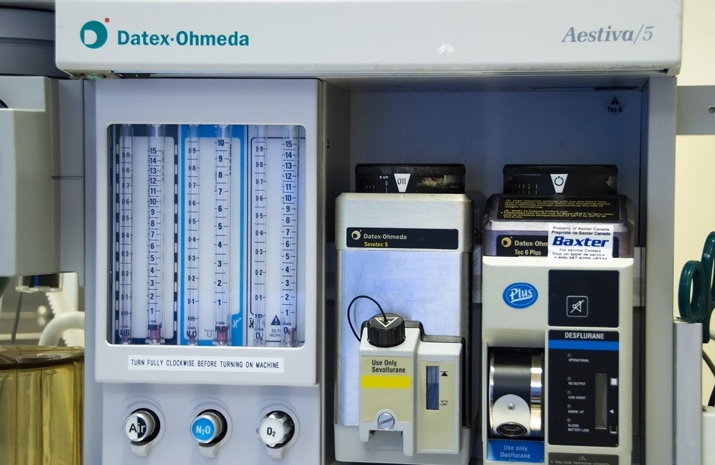
Scavenging systems
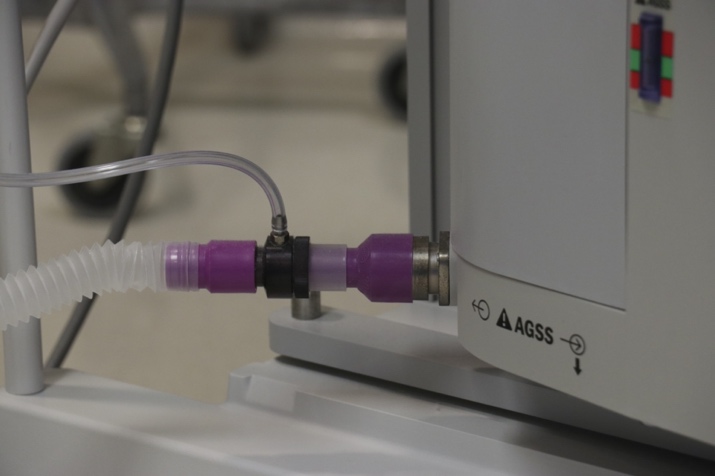
1 – The anesthetic machine takes the gases that are exhaled from the patient and removes them via the ‘scavenging system’.
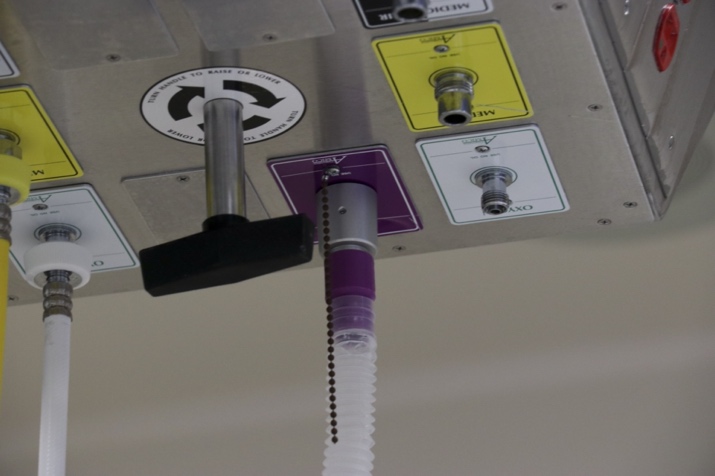
2 – This tubing channels all unwanted anesthetic gasses out of the OR where they can be safely disposed of.
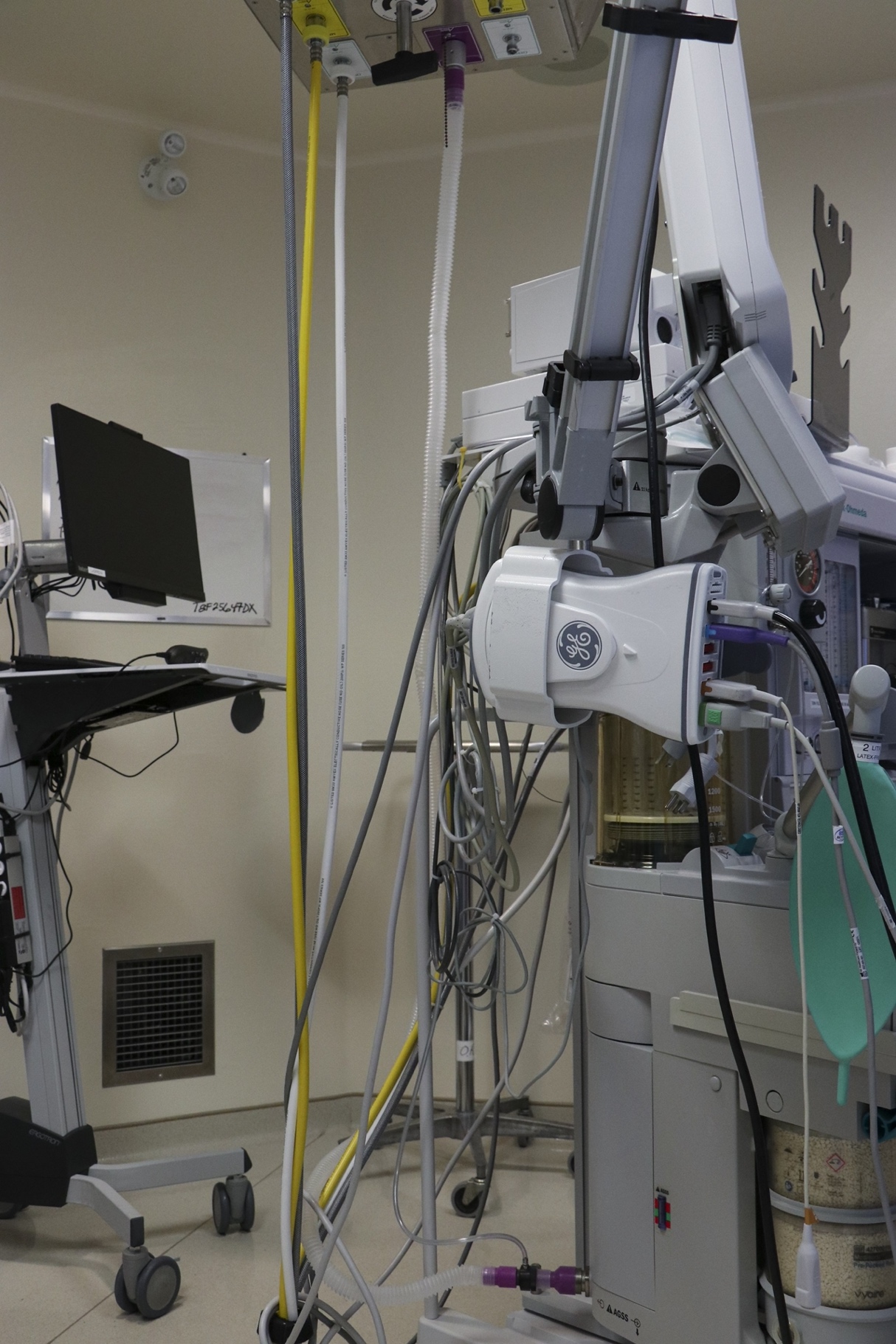
3 – Follow the tubing from the base of the anesthetic machine, up and out of the room.